Reviewed · PREMIUM AND ARTISANAL TEQUILA TASTINGS
Artisanal Mezcal Culture Tour for Tasting and History
The best part of this experience is that mezcal begins in the field, not in a tasting glass. In Santiago Matatlán, known as the Mezcal World Capital, you walk among agaves, learn how the plants are grown, and may even try cutting leaves with a machete. I like that guide Verónica connects the drink to local stories, farming, and family production rather than treating it as just another bar tasting.
I also like the personal welcome from Don Leoncio, the mezcal maker who introduces you to his palenque and traditional methods. The meal afterward, served on a terrace above the agave fields, is another strong point. The main drawback is the six to seven-hour length, with about 40 minutes of driving each way from Oaxaca City, plus outdoor walking that calls for moderate fitness.
Key points to know before booking
- Agave comes first: Walk through the fields and see the plants behind the spirit.
- Meet a family producer: Don Leoncio explains how mezcal is made at his palenque.
- Taste with context: The tasting covers different preparation methods, scents, flavors, and wild agaves.
- A meal with a view: Lunch includes a tlayuda, flavored water, and dessert, with food cooked on a comal.
- Small and personal: This is a private activity for your group, not a large shared bus tour.
- Plan half a day: The experience lasts about six to seven hours, including the road trip from Oaxaca City.
Why Santiago Matatlán is the right place for mezcal
If you want to understand mezcal, Santiago Matatlán is a better setting than a tasting room in central Oaxaca. The town is closely tied to mezcal production, and the experience takes you directly into the fields and production areas where the drink begins.
That matters because mezcal has a strong connection to place. The agave is not simply a raw ingredient picked up by a factory. You see the plants growing in the soil, learn how different agaves affect the final drink, and hear how local families keep production going.
The tour also makes room for cultural stories. In the agave field, Verónica uses pre-Hispanic myths to add context before inviting you to make a toast with nature. That gives the field walk a purpose beyond taking photographs. You are learning how the plant fits into local culture as well as how it becomes a spirit.
You should expect a relaxed, educational pace rather than a quick succession of tasting stops. The experience is private, so your group can ask questions and spend more time on the parts that interest you.
More Tequila Tastings in Oaxaca City
- Private Tour to Hierve el Agua, Mezcal Tasting, and Textiles
★ 4.5 · 33 reviews - Private Oaxaca Walking Tour with Mezcal Tasting
★ 4.5 · 15 reviews - The Best Mezcal Tasting, Mezcal Tasting in Oaxaca
★ 4.5 · 14 reviews
Leaving Oaxaca City for the agave fields
The meeting point is at C. de Manuel García Vigil 510 in central Oaxaca City. From there, the drive to Santiago Matatlán takes about 40 minutes, with a similar drive back at the end.
That is not a long transfer by Mexican road-trip standards, but it is important when planning your day. The listed activity lasts about six hours, while the full schedule is described as six to seven hours. You should allow most of a day rather than trying to fit in another major excursion afterward.
The drive is part of the value. At $107.72 per person, you are paying for more than a sample flight. Your fee covers private guiding, transport for the scheduled experience, a field visit, the palenque tour, mezcal tasting, and lunch. For someone already interested in agave spirits, that is a stronger deal than paying separately for a city tasting and arranging a trip to the valley on your own.
The tour is offered in English, and confirmation arrives when you book. It is usually reserved around 20 days ahead, so booking early is sensible if your Oaxaca dates are fixed.
Walking among agaves in Santiago Matatlán
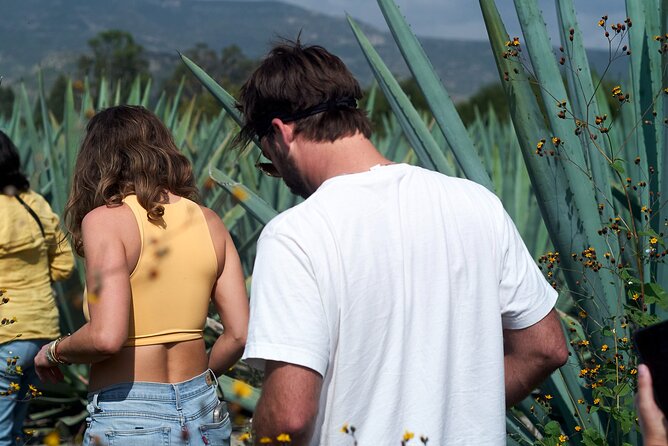
The field visit is the part that separates this outing from a standard tasting. You walk through different areas of Santiago Matatlán and see agaves at their source. The plants can look very different from the small potted agaves you may have seen in gardens or hotel courtyards. Some are large, mature plants growing across open fields.
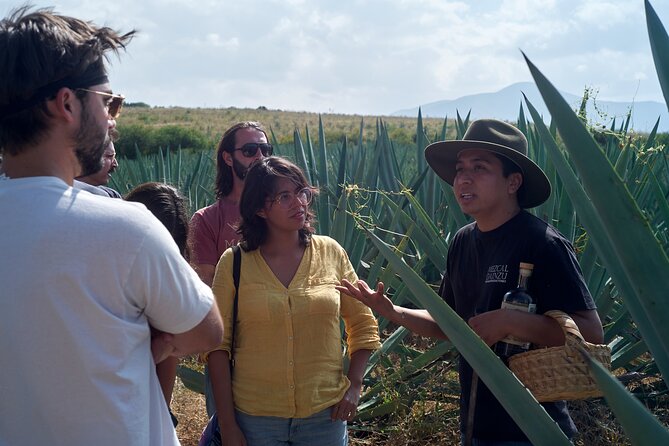
Verónica explains how agaves grow and how to distinguish one type of mezcal from another. You begin to connect the plant, the production method, and the flavor in your glass. That is useful because mezcal menus can otherwise feel full of unfamiliar names and technical terms.
The hands-on element adds a bit of fun. You may get a chance to cut leaves with a machete, an activity that looks easier than it is. This is not a staged photo stop. It gives you a quick sense of the physical work involved before the plant reaches the production area.
Wear shoes suited to outdoor walking and expect some sun. The tour information calls for moderate physical fitness, which is a fair description. You do not need to be an athlete, but this is not an entirely seated experience.
The field is also where the tour feels most connected to local culture. The pre-Hispanic stories and the toast with nature make the stop feel thoughtful without turning it into a formal lecture. If you are mainly looking for a party-style tasting, this may feel slower than expected. If you want to understand what you are drinking, the extra time is worthwhile.
Inside a family palenque with Don Leoncio
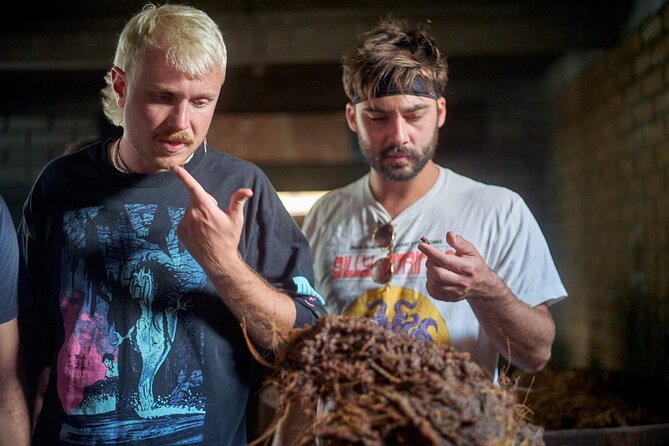
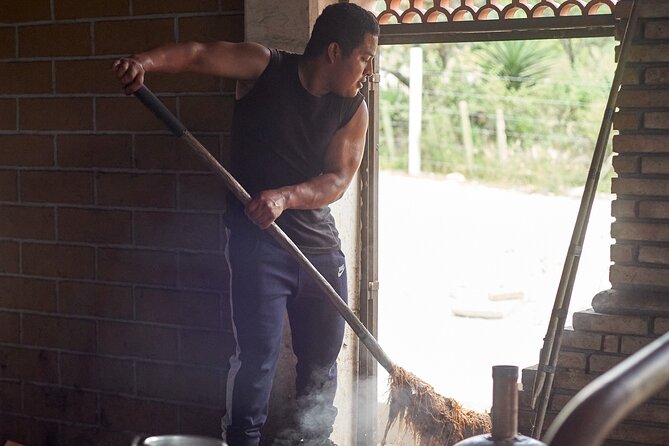
After the field, you visit the palenque, the production site where mezcal is made. Don Leoncio welcomes you and explains the work from the viewpoint of a family producer. That personal contact is one of the strongest reasons to choose this tour.
The focus is on traditional methods and respect for nature. You learn how the process of distillation develops inside the facility and how different preparation methods affect the drink. The setting gives you a clearer sense of mezcal as a craft passed through families, not just a product with a stylish label.
The tour does not promise an industrial-scale factory visit, and that is part of its appeal. You are seeing a small family business that keeps local practice alive. Conditions at a working palenque can be simple, so do not expect a polished museum or a modern visitor center.
Verónica’s role matters here. She translates the process into clear English and helps connect Don Leoncio’s explanations with the wider cultural meaning of mezcal. The experience works especially well for first-time mezcal drinkers because you can ask basic questions without feeling out of place.
You may also find that the pace depends on the family and the day’s work. That is normal for a working production site. The tradeoff for a less polished setting is a more direct look at how mezcal is made.
More Premium and Artisanal Tequila Tastings in Oaxaca City:
- Mezcal & Mole by a Certified Sommelier
★ 5.0 · 70 reviews - Artisanal Mezcal distillery in an authentic Zapotec village
★ 4.5 · 14 reviews - Mezcal y Mole with a Certified Sommelier
★ 4.6 · 12 reviews - Danzantes Premium Mezcal, Hierve el Agua, Textiles & Lunch
★ 5.0 · 10 reviews
Tasting mezcal by flavor, scent, and method
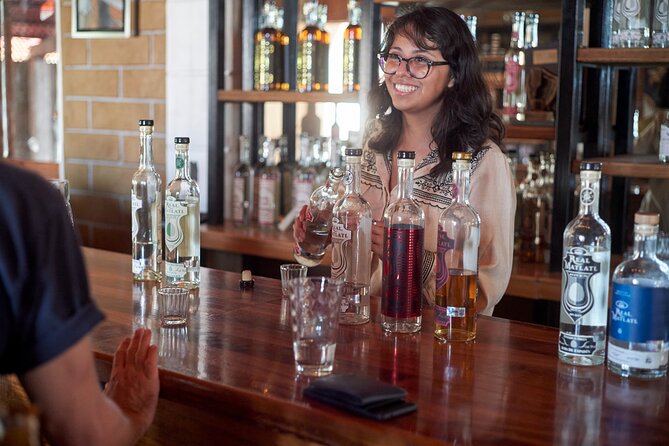
The tasting takes place at the palenque after you have learned how the spirit is produced. That order is important. You are not simply given several pours and asked to choose a favorite. You have already seen agaves in the field and heard how production methods shape the final result.
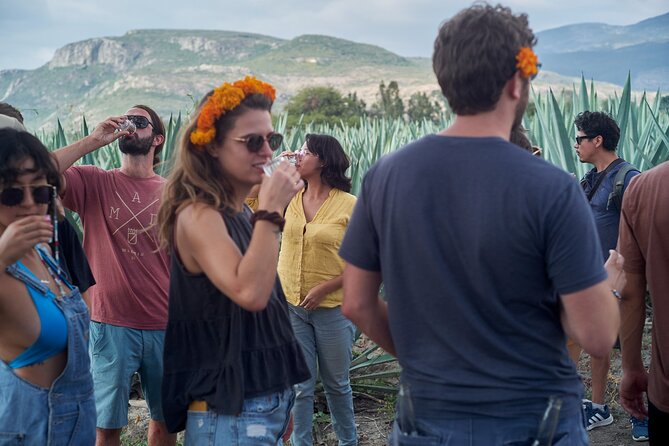
The tasting includes mezcales made with wild agaves, along with examples that show differences in preparation. You focus on scent, flavor, and the sensations created by each mezcal. For a newcomer, this is a good way to slow down and notice details that can be lost when mezcal is served as a quick shot.
Drink carefully. The tasting is educational, but it still includes alcohol, and the experience lasts much of the day. Eat lunch, take water when available, and do not treat every sample like a party drink. You will get more from the tasting if you pay attention to how the aromas and textures change.
The experience is not suitable for minors as an alcoholic activity. Children and underage participants are not allowed to drink mezcal, but they are given agua miel, a traditional agave drink also called honey water.
Lunch above the valley and agave fields
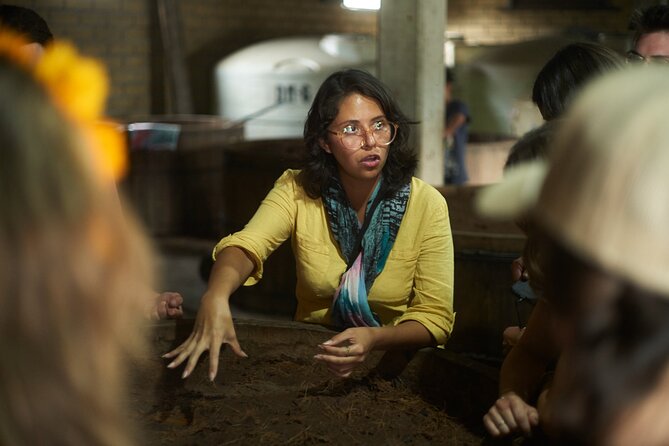
After the palenque, you eat a traditional Oaxacan meal on the terrace of the factory. The setting looks out across the valley and agave fields, giving you time to rest after the walking and tasting.
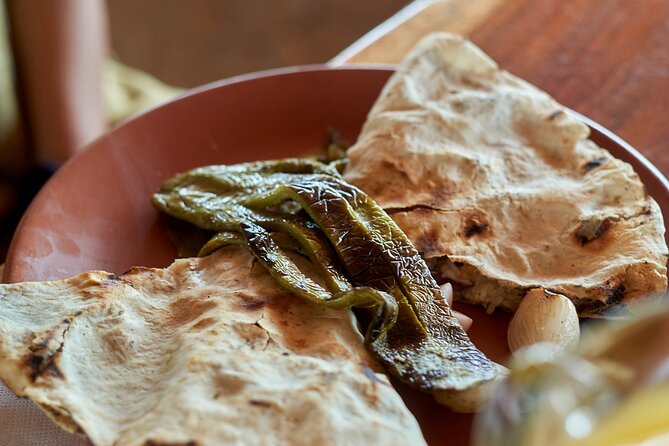
Lunch includes food cooked on a comal, with a tlayuda, flavored water, and dessert. The comal is a flat cooking surface central to many Mexican kitchens, and the meal helps connect the drink to everyday Oaxacan food culture.
The food is not an extra restaurant stop that has been tacked onto the end. It is part of the experience’s sense of place. You are eating near the fields that supplied the agave and looking across the same countryside you have just walked through.
The meal can also be a highlight in its own right. The tour’s food arrangements have included local dishes such as pink mole, which gives you a chance to try something beyond the familiar Oaxaca staples. Since the exact menu may vary, you should focus on the included meal rather than expecting one fixed dish every time.
This is a good point to consider the tour’s full value. You receive a private day with a guide, a round trip from Oaxaca City, access to a family palenque, a structured tasting, and a traditional lunch. At $107.72 per person, it is not the cheapest way to taste mezcal, but it offers far more than a short flight of pours in town.
How personal is the experience?
This is a private tour, so only your group participates. That changes the feel considerably. You can ask Verónica to explain a production step again, spend longer in the field, or talk through a mezcal you do not understand.
The personal connection between Verónica and the family at the palenque is another useful feature. You are not simply being passed from one commercial stop to the next. Her relationship with Don Leoncio helps create a friendly welcome and gives the visit a sense of trust.
That does not mean the day will be completely tailored to your every preference. The tour still has a set route, a scheduled meal, and a return to the original meeting point. But a private format is especially valuable for couples, families, or friends with different levels of mezcal experience.
It is also a good fit if you want to ask questions about alcohol, farming, or local customs without competing with a large group. The English-language format makes the technical details easier to follow.
What could make the day less enjoyable?
The main concern is time. Six to seven hours is a serious block of your Oaxaca schedule, and the drive takes about 40 minutes each way. You will also spend time outdoors and on foot, so the day may feel long if you prefer short city activities.
Weather can affect the experience. The tour requires good weather, and if poor conditions force a cancellation, you are offered another date or a full refund. Bring practical outdoor clothing, since part of the day takes place in the agave fields rather than inside a climate-controlled tasting room.
Alcohol is another consideration. The tasting is included, but you should not book this as a casual activity if you do not drink mezcal. Minors can attend without consuming alcohol, since agua miel is provided, but the main focus remains mezcal production and tasting.
The setting is traditional and family-run. You might find uneven outdoor ground, basic production areas, and a less polished presentation than at a commercial distillery. For me, that is a fair trade for a more direct cultural experience, but visitors who prefer a highly organized, modern facility may want something else.
Free cancellation is available if you cancel at least 24 hours before the start time. Changes or cancellations inside that window are not refunded, and the activity may also be changed or refunded if the minimum number of participants is not met.
Who should book this mezcal tour?
I would choose this experience if you want your mezcal tasting to include farming, local stories, and a meal. It suits curious first-time drinkers as well as people who already know they like agave spirits and want to see how a family producer works.
It is especially good for:
- Couples looking for a private day outside Oaxaca City
- Friends who want tasting with food and cultural context
- Visitors interested in traditional production
- Anyone who prefers small family businesses to large commercial facilities
- People who enjoy meeting local producers and asking questions
I would think twice if you want a short, city-center activity, dislike outdoor walking, or do not want to spend much of your day on one subject. The tour is focused. Mezcal is the thread connecting the fields, myths, production, tasting, and lunch.
Should you book the Santiago Matatlán experience?
Book it if you want to understand mezcal from plant to glass. The strongest parts are the walk through the agave fields, the time with Don Leoncio at the family palenque, Verónica’s friendly English guidance, and lunch served above the fields.
The price is reasonable for a private six to seven-hour outing that includes transport, tasting, and food. You are paying for access and context, not just alcohol. Just reserve enough time, expect moderate outdoor activity, and remember that the day is built around traditional production rather than polished entertainment.
For a genuine introduction to Oaxaca’s mezcal culture, this is a strong choice. For a quick tasting before dinner, it is more tour than you need.
FAQ
Where does the mezcal tour begin and end?
The tour begins at C. de Manuel García Vigil 510 in central Oaxaca City. It ends back at the same meeting point.
How long does the experience last?
The experience lasts approximately six to seven hours. The drive between Oaxaca City and Santiago Matatlán takes about 40 minutes each way.
Is lunch included?
Yes. Lunch includes traditional Oaxacan comal food, a tlayuda, flavored water, and dessert.
Are alcoholic drinks included?
Yes. A mezcal tasting is included, with examples showing different preparation methods and mezcales made from wild agaves.
Can minors join the tour?
Minors are not allowed to consume alcoholic beverages. They are given agua miel, a traditional agave drink.
What happens if the weather is poor?
If bad weather causes the experience to be canceled, you are offered a different date or a full refund. Free cancellation is also available when you cancel at least 24 hours before the start time.
More History Tours in Oaxaca City
- Tequila/Guachimontones Tour-cultural heritage route
★ 5.0 · 136 reviews - Historical downtown Mexico City & Teotihuacan Pyramids Mezcal tasting
★ 5.0 · 9 reviews - Otoch Cozumel Mayan Cultural Tour with Cenote, Tastings & Tequila
★ 4.0 · 9 reviews - Mexico City Tequila and Mezcal historic bar experience
★ 5.0 · 5 reviews
More Mezcal Tours and Tastings in Oaxaca City
- Hierve el Agua, Tule Tree, Mitla and Mezcal Distillery Tour
★ 4.5 · 1,094 reviews - Explore Hierve el Agua, Mitla, Tule, Textile and Mezcal for a day
★ 5.0 · 1,043 reviews - Oaxaca: Tule, Mitla & Hierve el Agua, & Mezcal Tour
★ 4.7 · 456 reviews - Boil the water and distillery mezcal tour
★ 5.0 · 413 reviews
Newest agave reviews around Oaxaca City
- Monte Albán, Hierve el Agua, Mezcal distillery & Teotitlán rugs★ 5.0 · 7 reviews
- Private Lunch in Mezcal Maguey Fields★ 5.0 · 2 reviews
- Hierve el Agua, Mitla, Tule, Teotilán and Mezcal factory★ 3.5 · 2 reviews
- Private Tour, all inclusive: Tlacochahuaya, Mezcal, Teotitlán del Valle★ 5.0 · 3 reviews
- Tasting of Organic Mezcales★ 5.0 · 6 reviews
- Boil the Water and Distillery of Mezcal Tour★ 5.0 · 25 reviews
- Tour of Mezcalerias in the City★ 4.0 · 4 reviews
- The Mezcal Tour★ 5.0 · 6 reviews
Premium and Artisanal Tequila Tastings, compared.
Premium Tequila Tour with Tastings and Pairings
Read our review →
Premium Tequila Route with professional tasting
Read our review →



Mezcal and Mole by a Certified Sommelier Mexico City
Read our review →